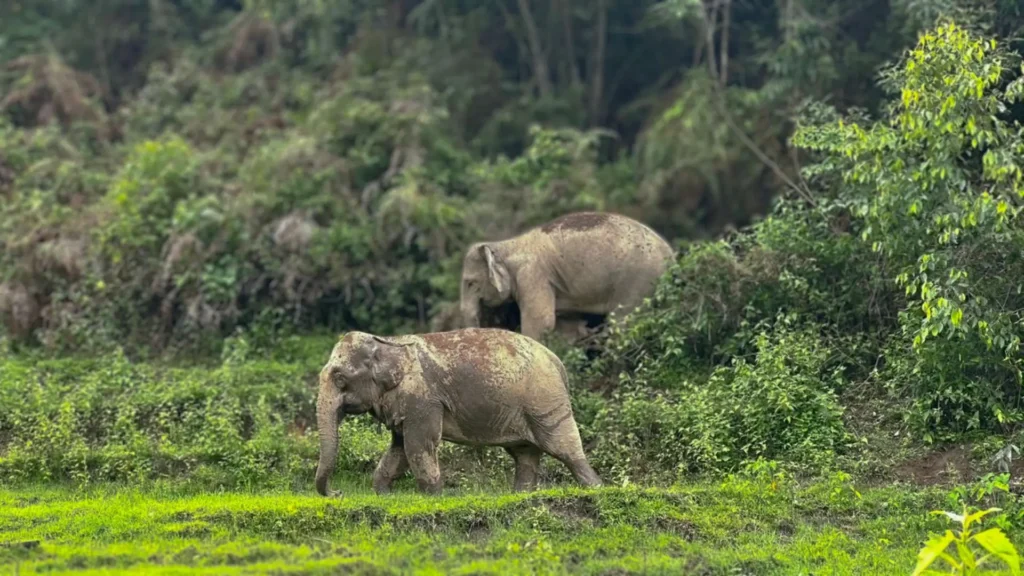

Elephants in Thailand are rescued from logging, trekking and riding camps, circuses, and street begging, then rehomed to sanctuaries where they recover physically and emotionally and relearn how to live naturally. Rescue is only the beginning — rehabilitation and a lifetime of care are the real work.
Behind every calm elephant grazing in a sanctuary is a story of rescue and recovery. Here’s how that process actually works in Thailand.
Where are rescued elephants rescued from?
When commercial logging was banned in Thailand in 1989, thousands of working elephants and their keepers suddenly had no income — and many were pushed into tourism and street begging to survive. Today, elephants are commonly rescued from:
- Riding and trekking camps
- Logging and heavy labour
- Circuses and street performances
- Begging on city streets
How a rescue happens, step by step
Identifying an elephant in need
Sanctuaries and welfare groups learn of an elephant in poor conditions — overworked, injured, malnourished, or no longer “useful” to an owner.
Negotiating a rehoming
Because captive elephants in Thailand are legally owned property, a rescue usually means buying the elephant or arranging a rehoming agreement with its owner — a significant cost in itself.
Safe transport
Moving an animal this size is a careful operation, often over long distances, with vets on hand to manage stress and any health issues.
Arrival and assessment
On arrival the elephant is examined, treated for immediate health problems, and slowly introduced to its new, calmer surroundings.
Rehabilitation — the hardest part
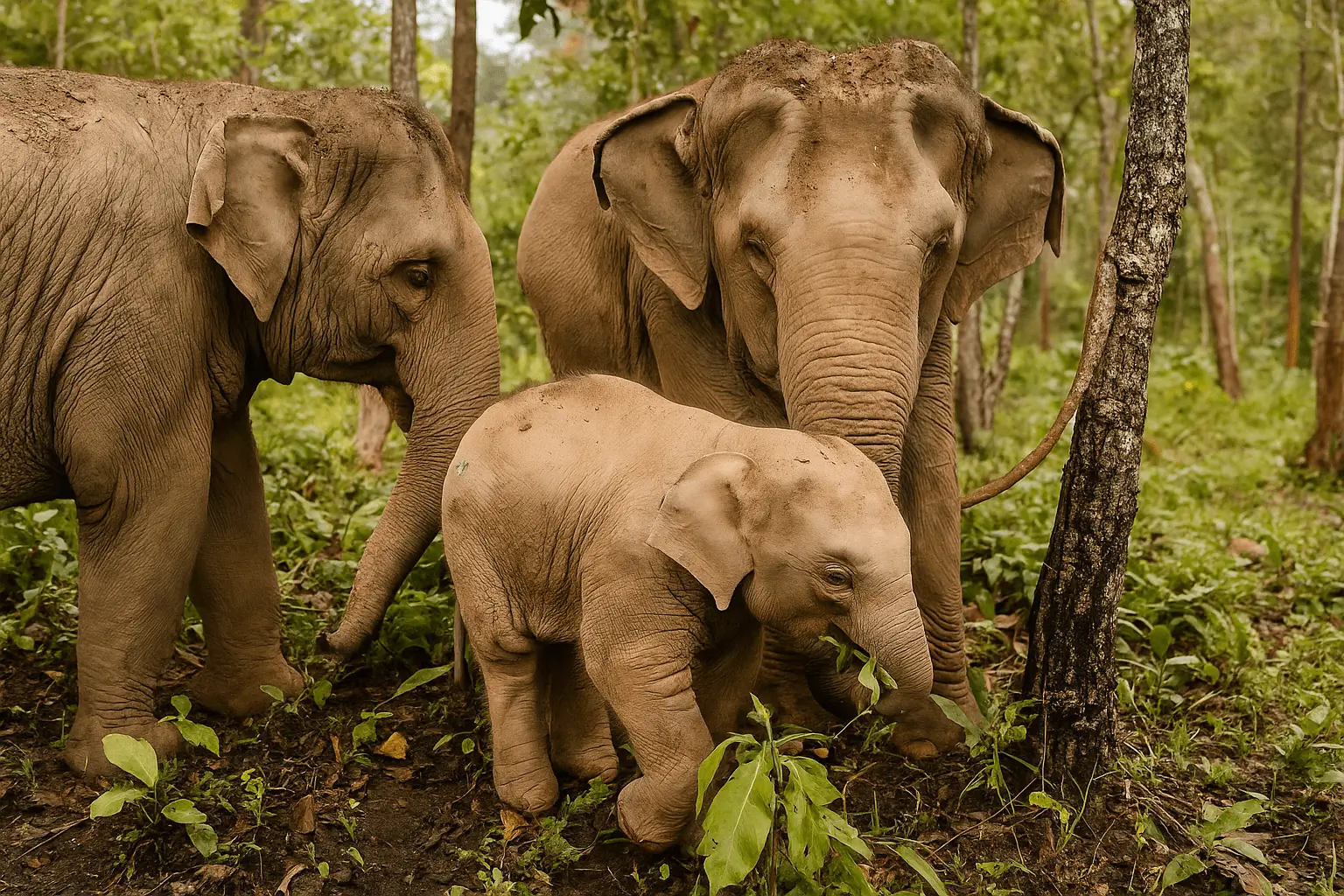
Rescue is the easy part compared to recovery. Many elephants arrive with lasting physical damage — foot and joint problems, old injuries, poor nutrition — that need ongoing veterinary care. Just as important is psychological healing: elephants that have spent years in stressful, controlled environments need time, patience, and safety before they trust again. Gradually, they relearn natural behaviours — foraging, roaming, and, crucially, bonding with a herd. You can see what that recovered life looks like day to day in a day at an observation sanctuary.
A lifetime of care
A rescued elephant isn’t “fixed” and released — Thailand’s captive elephants can’t simply return to the wild. Instead they need lifelong care: enormous amounts of food each day, regular veterinary attention, land to roam, and skilled mahouts who look after them. This is the real, ongoing cost behind an ethical sanctuary, and it’s why genuine sanctuaries can’t rely on cheap, high-volume tourism. Read more about one elephant’s journey.
How your visit helps
Visiting an ethical, observation-only sanctuary directly funds this work — the food, the vets, the mahouts’ wages, and the land. By choosing a genuine sanctuary over a riding camp, you help pay for care instead of exploitation, and support the local communities who make it possible.
Frequently asked questions
Where are elephants in Thailand rescued from?
Most commonly from riding and trekking camps, logging work, circuses, and street begging — situations where they were overworked or mistreated.
Why can’t rescued elephants be released into the wild?
Thailand’s captive elephants have usually spent their whole lives around humans and can’t survive independently, and wild habitat is limited. Sanctuaries provide lifelong care instead.
How much does it cost to care for a rescued elephant?
A great deal — an adult eats well over 100 kg of food daily, plus veterinary care, land, and mahout wages. This ongoing cost is why ethical visits aren’t the cheapest.
How can I help rescued elephants?
Choose ethical, observation-only sanctuaries, never ride or attend shows, and support conservation and local communities. Your visit helps fund care directly.
Be part of the reason they’re safe
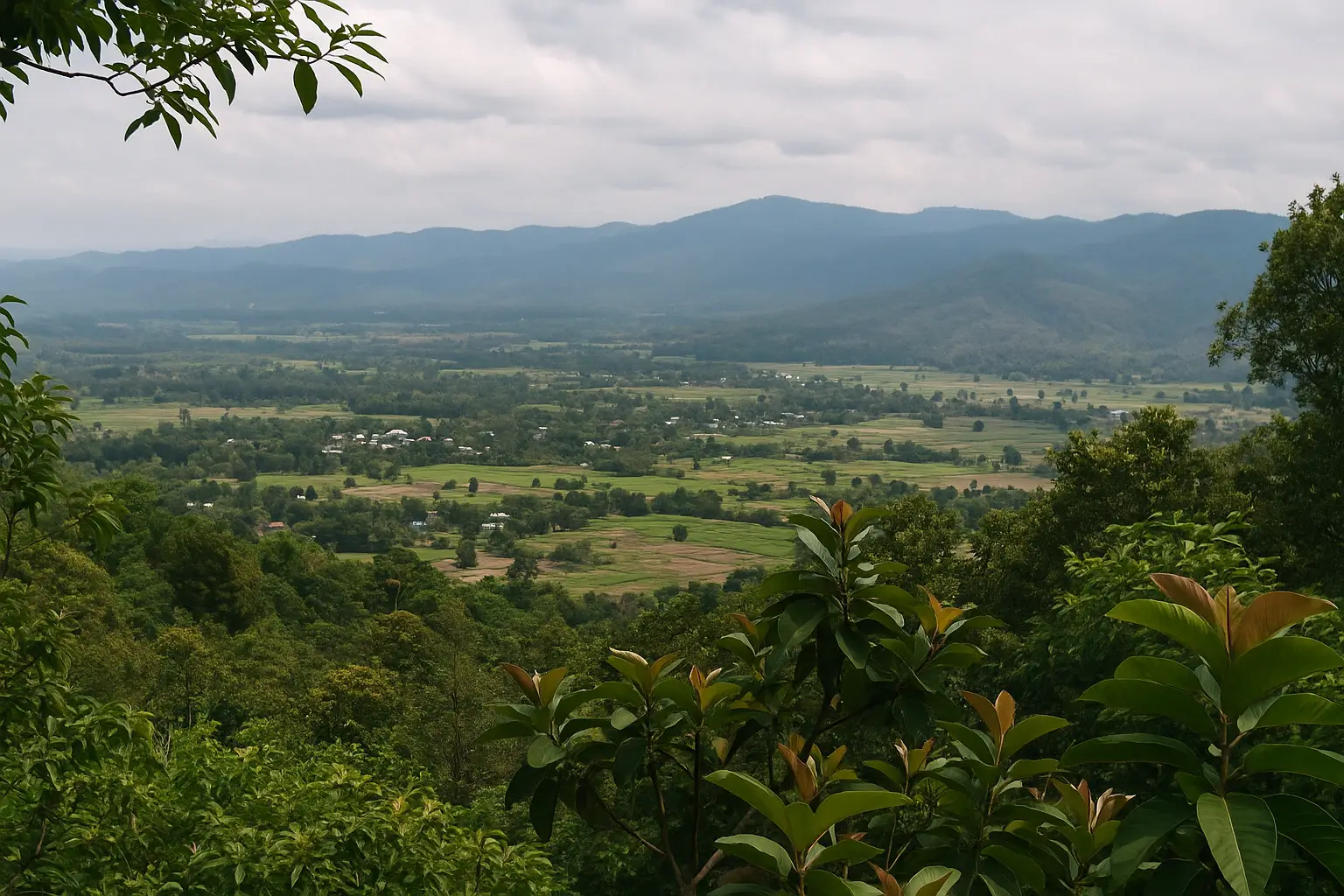
Every visit to EVE79 helps fund the care of rescued elephants in the Mae Wang valley — observation-only, transport from Chiang Mai included. Book your visit.
 Spots are limited — secure your experience now.