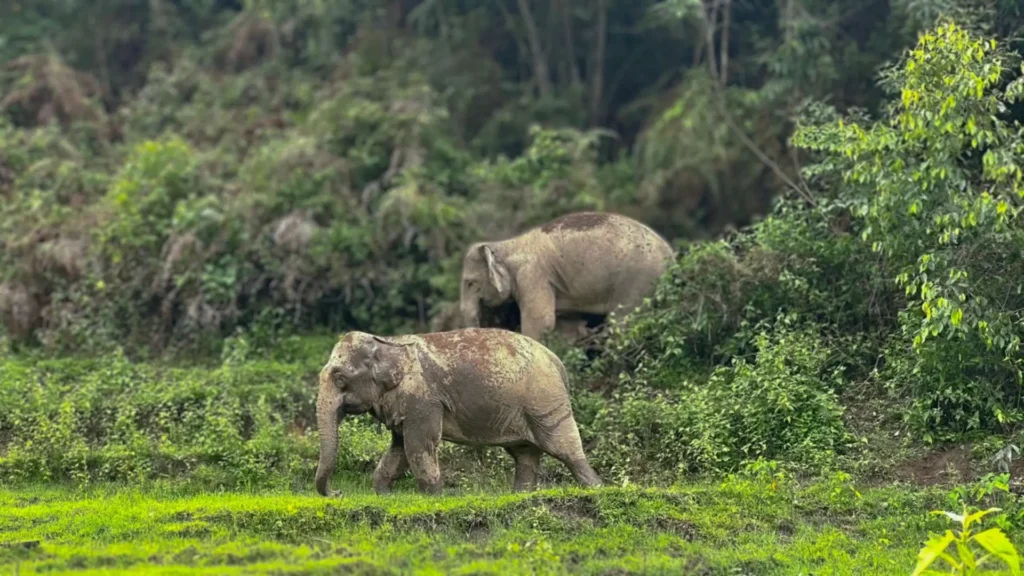

Genuine elephant volunteering exists in Chiang Mai, but it’s worth approaching carefully — many “volunteer” programs are really paid tourist activities in disguise, some involving bathing or hands-on contact that isn’t good for the elephants. If you can’t commit to a longer, vetted placement, a single observation-only visit still directly funds an elephant’s care and is one of the most reliable ways to help.
Wanting to do more than just visit is a generous impulse — here’s how to think it through clearly.
What does “volunteering” with elephants actually involve?
Genuine, ethical volunteer placements typically involve support work: preparing food, maintaining land and shelters, assisting with observation and record-keeping, or helping around the sanctuary — not hands-on contact with the elephants themselves. The animals’ care is left to experienced mahouts and vets who know each elephant individually. Programs that promise close, unsupervised contact with elephants for untrained volunteers should raise a flag.
What to look for in a genuine volunteer program
Good signs
- Work is support-based, not hands-on with elephants
- Clear structure, training, and supervision
- Transparent about where fees go
- No bathing, feeding-on-demand, or close contact promised
- Long-term, vetted placements over one-off “experiences”
Red flags
- “Volunteer for a day” packages that are really paid tours
- Bathing or feeding elephants marketed as “volunteering”
- Vague answers about what your fee funds
- No real training or oversight
- Photos of close, unsupervised elephant contact
Why a single ethical visit still counts
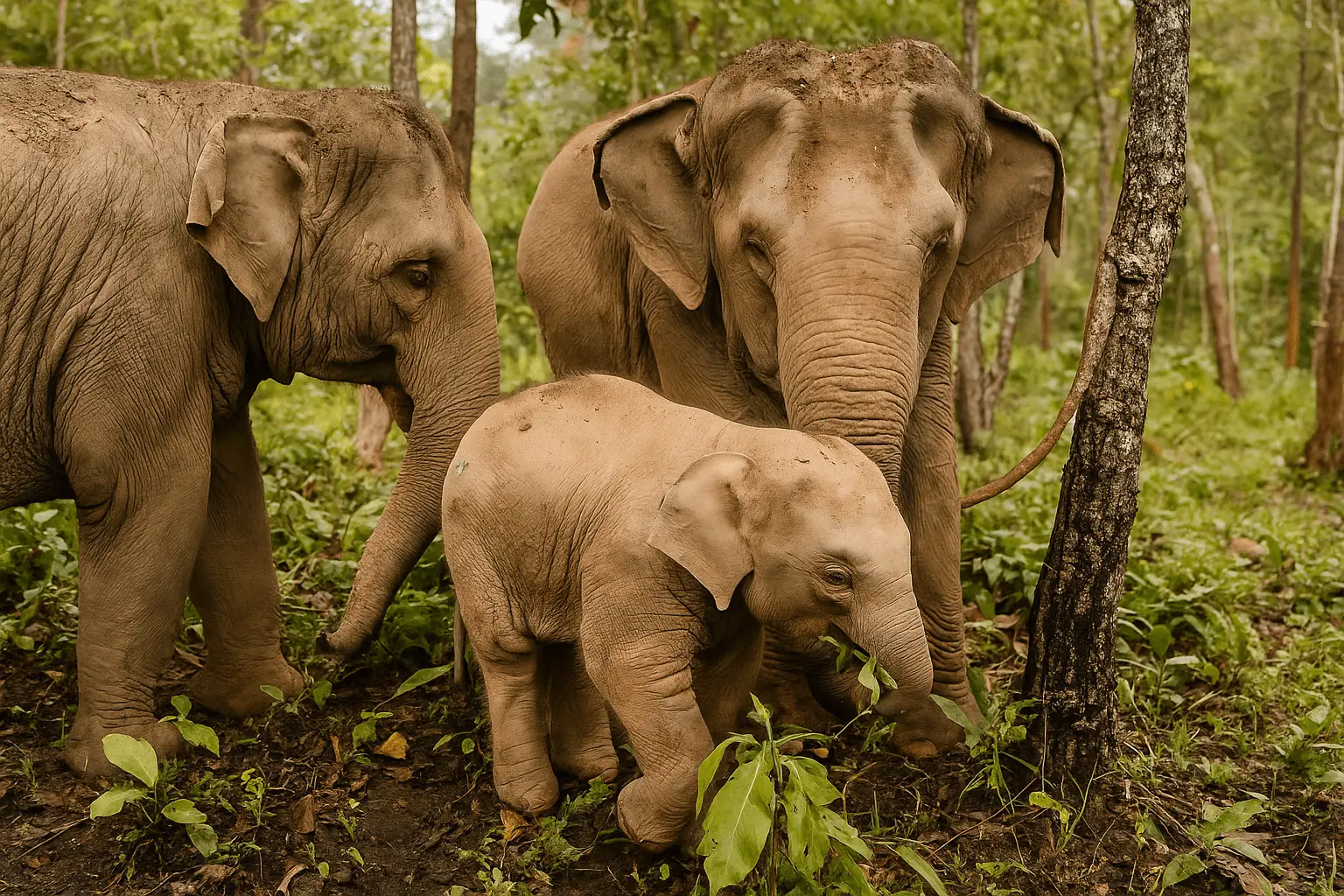
Not everyone has the time for a multi-week placement, and that’s completely fine — visiting is meaningful on its own. At a genuine, observation-only sanctuary, your booking fee directly funds the food, veterinary care, land, and mahout wages that rescued elephants depend on for life. A single, well-chosen visit does real good — it’s not a lesser option compared to volunteering, just a different one.
Other ways to help beyond one visit
If you want to go further without a formal placement, consider: donating directly to reputable elephant welfare organizations, spreading the word about ethical tourism to fellow travelers, and simply choosing observation-only experiences every time you’re near captive elephants anywhere in Thailand. Small, repeated choices by many travelers add up to real pressure against harmful practices like riding and bathing camps.
Thinking about a longer stay?
If you’re planning more time in the region, pair a sanctuary visit with the rest of Chiang Mai — see our 3-day itinerary for how to structure the trip, and our community impact guide for a deeper look at where the money goes.
Frequently asked questions
Can you volunteer with elephants in Chiang Mai?
Some genuine, vetted volunteer programs exist, usually involving support work like food prep and land maintenance rather than hands-on elephant contact. Many “volunteer” listings are actually paid tourist activities, so check carefully.
Is bathing elephants a form of volunteering?
Not really — bathing is a hands-on tourist activity, not welfare work, and repeated bathing sessions with rotating visitors can be stressful for elephants regardless of how it’s marketed.
Does visiting once actually help if I can’t volunteer?
Yes. A single visit to a genuine observation-only sanctuary directly funds the elephants’ food, veterinary care, and caretakers — it’s a meaningful way to help even without a longer commitment.
How can I check if a volunteer program is genuine?
Look for support-based work rather than direct elephant contact, transparency about where fees go, and proper training and supervision. Be wary of programs promising close contact for untrained visitors.
Your visit already helps
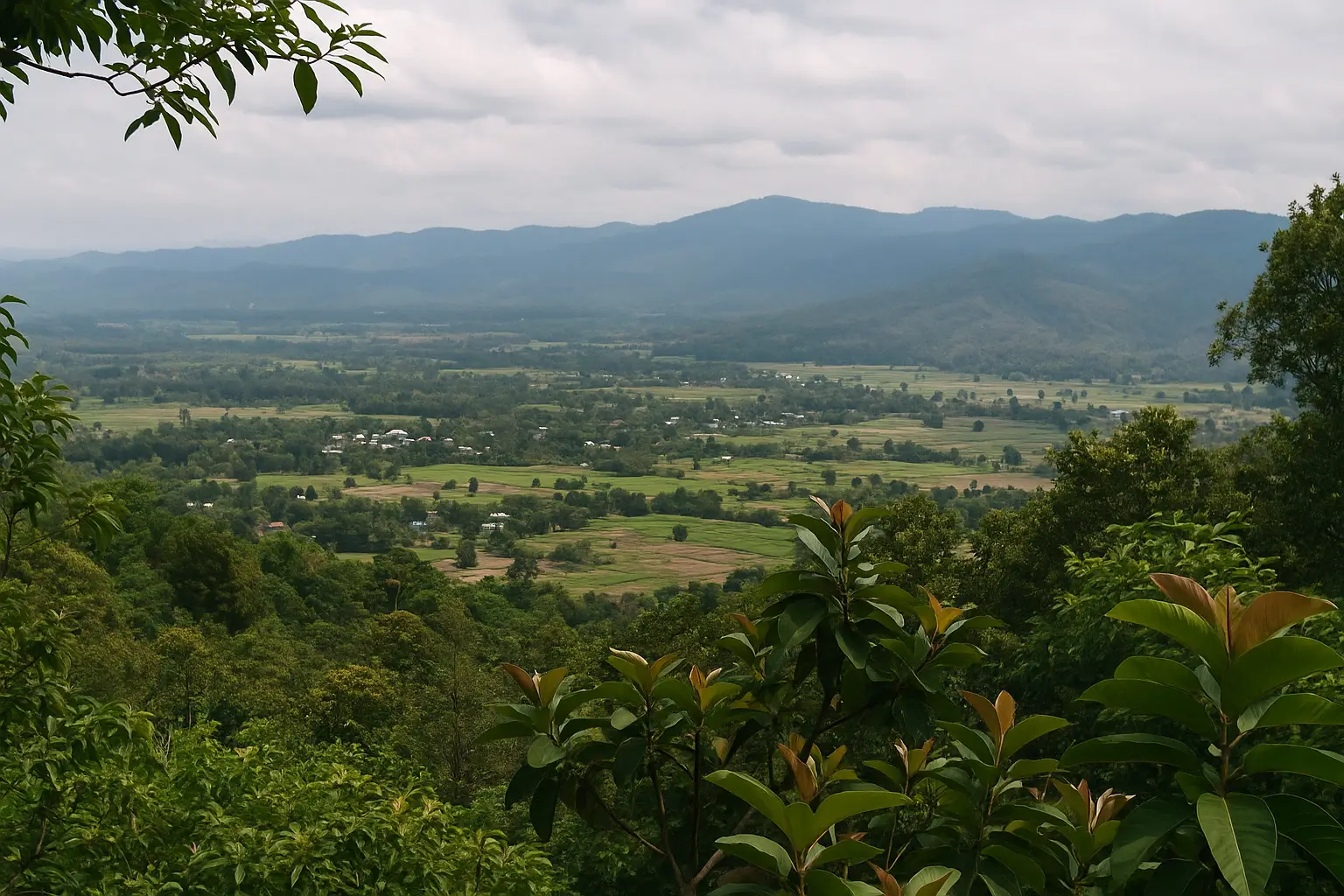
Every visit to EVE79 funds the care of rescued elephants in the Mae Wang valley — observation-only, transport from Chiang Mai included. Book your visit.
 Spots are limited — secure your experience now.