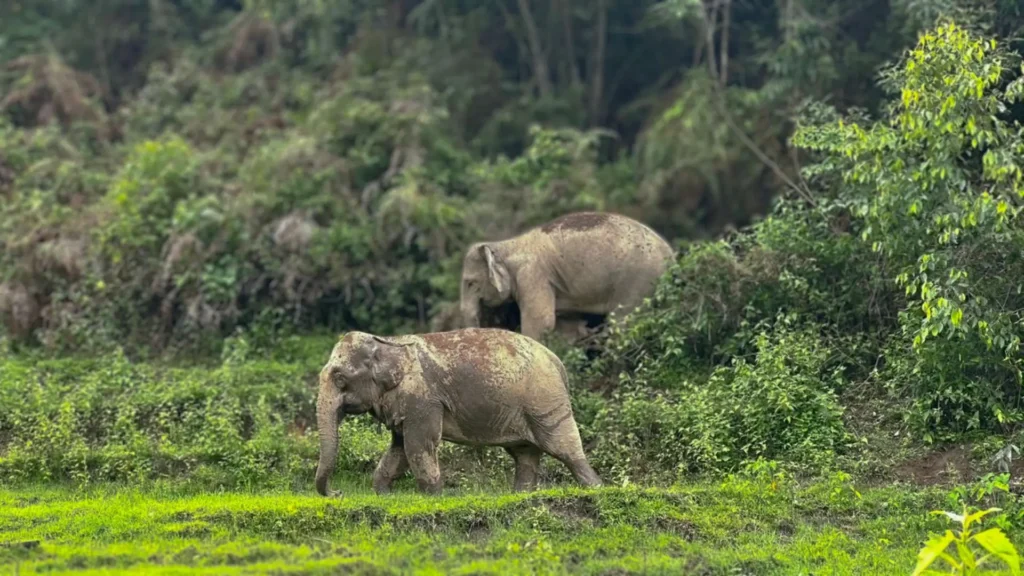
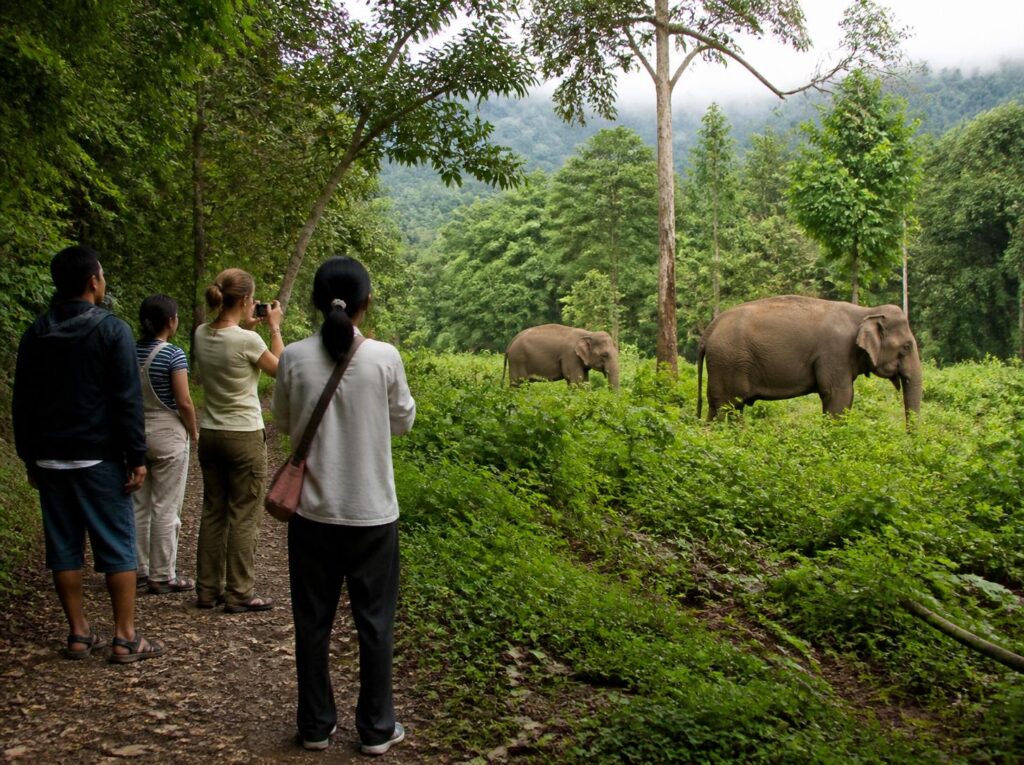
Around elephants, the golden rule is give them space and let them choose. Stay calm and quiet, keep the distance your guide sets, never approach or touch an elephant, don’t use flash photography, and always follow your guide’s instructions. Elephants are wild animals — respectful observation keeps both you and them safe.
At an observation-only sanctuary you’re a guest in the elephants’ home, not a participant in a show. A little etiquette makes the day safer, calmer, and far more rewarding.
Why etiquette matters
Elephants are enormous, intelligent, and sensitive. Even a relaxed elephant can move quickly, and sudden noise or unexpected approach causes stress. Good etiquette isn’t just politeness — it protects the animals from anxiety and protects you from harm. It also means you get to see natural behavior instead of a herd on edge.
The do’s and don’ts
Do
- Stay calm and speak quietly
- Keep the distance your guide sets
- Move slowly and predictably
- Let elephants approach or move away on their own terms
- Listen to your guide at all times
- Stay with your group
Don’t
- Approach, touch, or chase an elephant
- Use flash photography
- Shout, run, or make sudden movements
- Feed elephants without guidance
- Stand directly behind an elephant
- Wear strong perfume
Keep a respectful distance
The single most important rule. Your guide will set a safe viewing distance based on the herd’s mood and position — respect it even when an elephant seems calm and inviting. Distance is what allows the elephants to behave naturally instead of managing your presence, and it’s the heart of what makes an observation-only sanctuary different.
Stay quiet and move slowly
Loud voices, sudden gestures, and running are all alarming to an elephant. Speak softly, move deliberately, and you’ll be rewarded — a relaxed herd goes about its day as if you weren’t there, which is exactly what you came to see.
Photography etiquette
- No flash — it startles the elephants.
- Don’t chase a shot. Stay in position and let the moment come to you.
- Put the camera down sometimes. The best memory of the day usually isn’t on a screen.
Follow your guide, always
Your guide knows each elephant’s temperament, history, and daily patterns. If they ask you to move back, move quietly, or wait — do it immediately and without debate. Their instructions exist because they can read the herd in ways visitors can’t.
Before you go
Dress practically, travel light, and prepare for time outdoors — our guide on what to wear and bring covers it. Visiting with children? Talk them through these rules beforehand; our family guide has more.
Frequently asked questions
Is it safe to be near elephants at a sanctuary?
Yes, when you keep a respectful distance and follow your guide. Observation-only visits are designed around safe viewing distances, which is far safer than hands-on contact.
Can I touch or feed the elephants?
Not at an observation-only sanctuary. Elephants forage naturally and aren’t handled by visitors — this is better for their welfare and safer for you.
Why is flash photography not allowed?
A sudden flash can startle a large wild animal and cause stress or unpredictable movement. Natural light photos are safer and look better anyway.
What should I do if an elephant comes close?
Stay calm, stay still, don’t reach out, and follow your guide’s instructions. Let the elephant move on in its own time.
Can children follow these rules?
Yes — the rules are simple, and guides explain them clearly. Talking through “quiet voices and no running” beforehand helps a lot.
Come and watch them be themselves
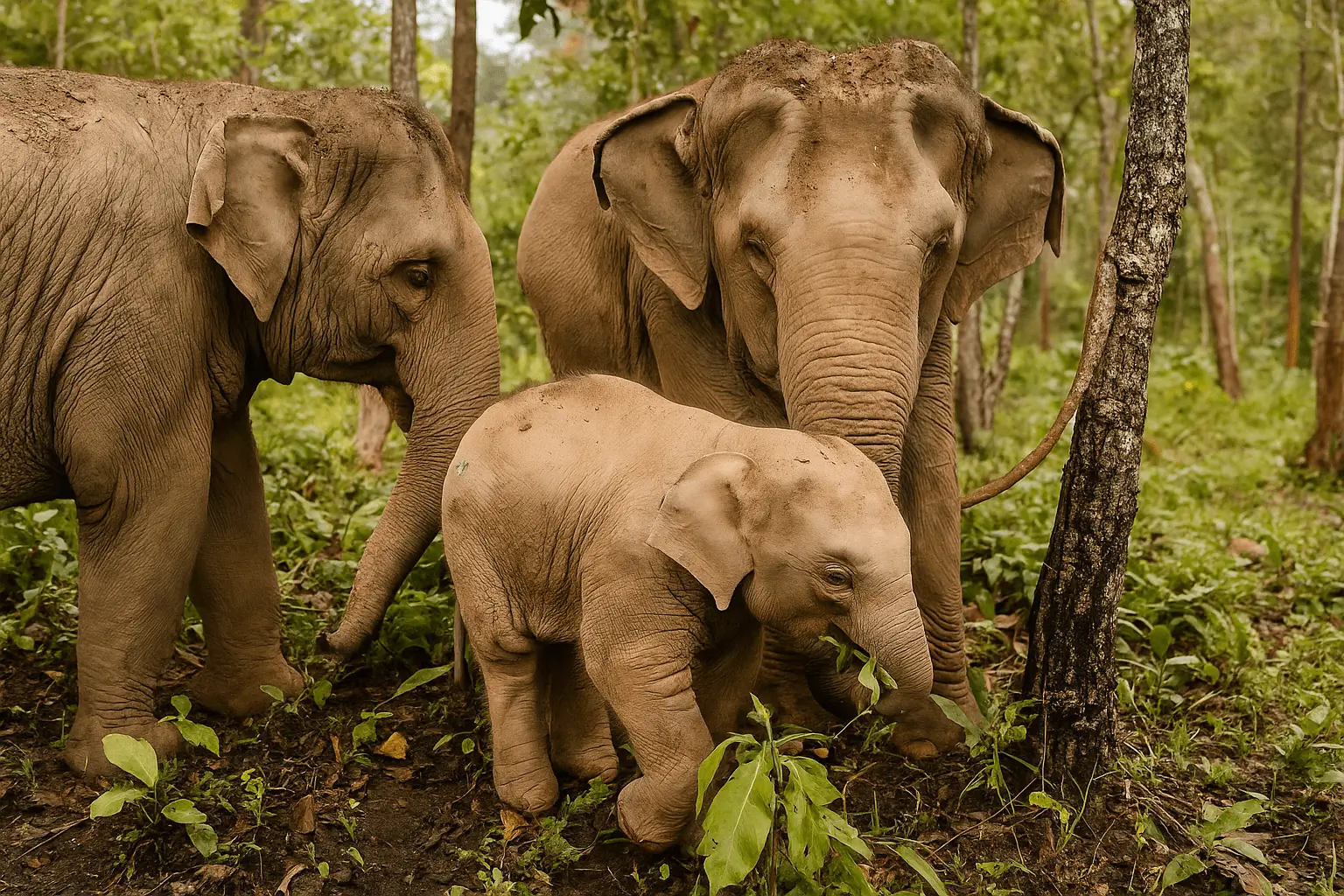
EVE79 is observation-only — you’ll see rescued elephants roam, forage, and rest without interference, guided by people who know them. Book your visit.

 Spots are limited — secure your experience now.